Most schools hope children develop good study habits, but few create a clear path from day one. The British curriculum at a Cambridge International School does more than teach facts; it builds routines that stick. With small class sizes and a supportive environment, your child will gain confidence and independence early on. Read on to see how these foundations shape lifelong learners ready for success.
Building Strong Study Routines
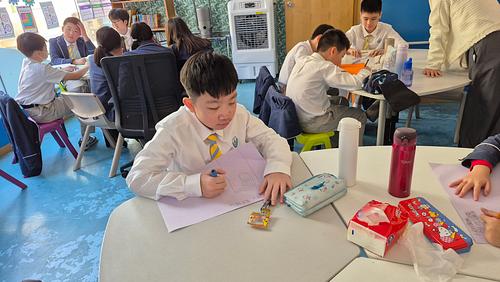
Creating solid study habits from the start is vital for academic success. The British curriculum excels at establishing these routines, ensuring children are well-prepared for future challenges.
Personalised Learning Approaches
Small class sizes mean your child gets the attention they need. This setup allows teachers to tailor lessons, ensuring every student grasps the concepts. In a classroom of about 15 students, your child won't just be another face in the crowd. They'll receive feedback and guidance tailored to their needs, which boosts confidence and understanding. This approach also encourages questions, paving the way for deeper learning and curiosity.
Establishing Homework Routines
Homework is an essential part of learning, and establishing a routine early helps children manage their workload. Consistent homework schedules teach time management and reinforce classroom learning. Teachers assign work that challenges students without overwhelming them, providing the right balance to foster growth. Through regular and structured homework, children learn discipline and responsibility.
Developing a Reading Culture
A love for reading opens doors to endless knowledge. Encouraging reading from a young age is a priority. Daily reading sessions in class nurture a habit that benefits children throughout their lives. They explore different genres, from fiction to informative texts, which enhances comprehension and vocabulary. This practice not only enriches their language skills but also sparks imagination and creativity.
Fostering Independent Learning
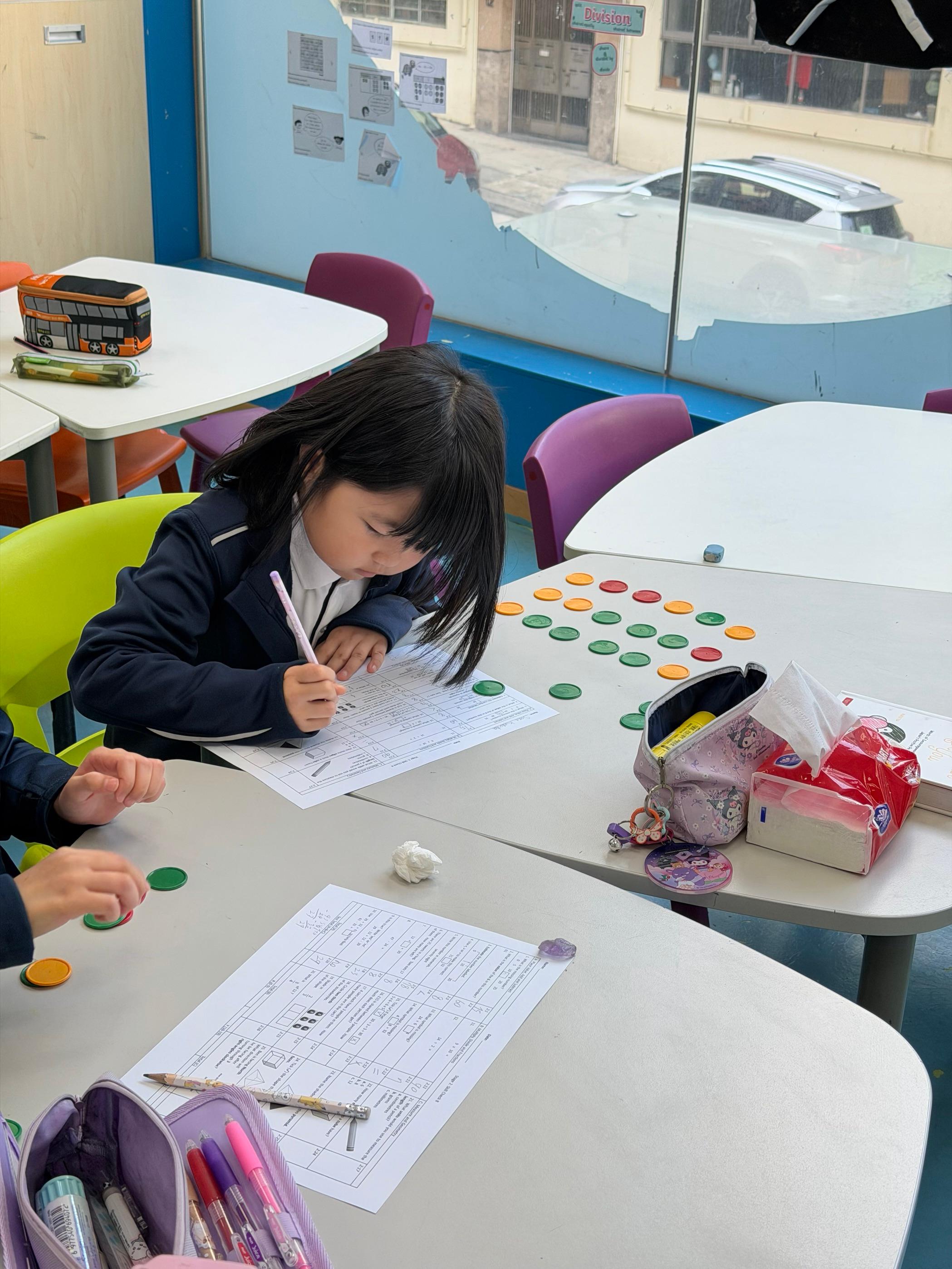
Encouraging students to take charge of their learning journey builds independence and self-assurance.
Encouraging Self-Management
Teaching self-management skills early is crucial in education. Students learn to set goals, plan their tasks, and evaluate their progress. This skill set is invaluable, preparing them for various life situations. With these tools, students become proactive learners, ready to tackle challenges independently.
Growth Mindset in Education
A growth mindset fosters resilience and perseverance. Students are encouraged to view challenges as opportunities to learn. This mindset helps them embrace mistakes as part of the learning process. By cultivating this attitude, children become more adaptable and open-minded, qualities essential in a rapidly changing world.
Tutor Time for Goal-Setting
Tutor time provides a unique opportunity for personal development. During these sessions, students set academic and personal goals, guided by their tutors. This practice instills the importance of setting objectives and working towards them. Regular check-ins ensure students stay on track, fostering accountability and self-reflection.
Nurturing Confidence and Global Citizenship
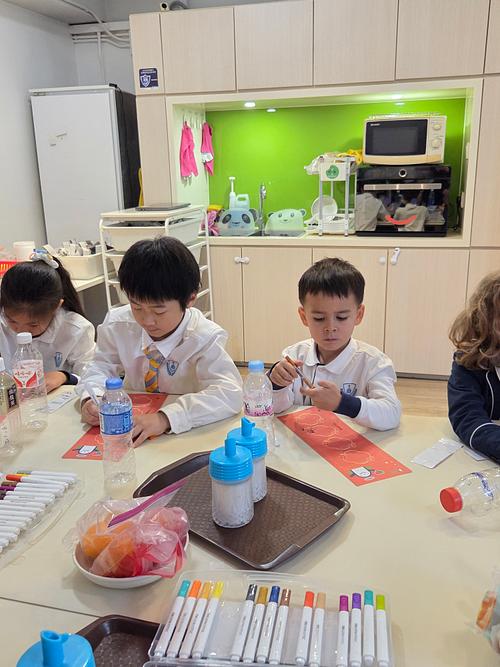
A nurturing school environment promotes both personal growth and global awareness.
Benefits of Small Class Sizes
Small class sizes are a hallmark of effective learning environments. They allow for meaningful teacher-student interactions and personalized attention. In such settings, students feel valued and supported, which boosts their confidence. This personalized approach ensures that each child can thrive and reach their full potential.
Co-Curricular Activities and Exploration
Co-curricular activities play a critical role in holistic education. Engaging in sports, arts, and other activities enriches the learning experience. These opportunities help children discover their interests and talents, fostering a well-rounded development. Participation in these activities enhances teamwork, leadership, and social skills.
Broadening Horizons through Exchanges
Global exchanges broaden students' perspectives, offering them a glimpse into different cultures. These experiences teach adaptability and open-mindedness. By interacting with peers from diverse backgrounds, students develop empathy and a sense of global citizenship. Such exposures prepare them for a connected world, where understanding different viewpoints is invaluable.
Frequently Asked Questions
What are the advantages of small class sizes?
Small class sizes allow for personalized attention and stronger teacher-student relationships. This setup ensures that each student receives the guidance they need, enhancing their academic and personal growth.
Why is a reading culture important in schools?
A reading culture fosters comprehensive language skills and sparks creativity. Regular reading expands vocabulary, enhances comprehension, and helps develop a lifelong love for learning.
How do co-curricular activities benefit students?
Co-curricular activities support holistic development by encouraging teamwork, leadership, and social skills. They provide a platform for students to explore their interests and talents outside the classroom.
(3).jpg)