
Small class sizes do more than create a quiet room; they shape how children learn daily. When your child is part of a deliberately small class, they get more chances to focus, ask questions, and build confidence. At Oxbridge School, this approach supports stronger study habits and independent learning using the British curriculum Hong Kong families trust. Ready to see how personalised learning helps your child thrive?
Benefits of Small Class Sizes
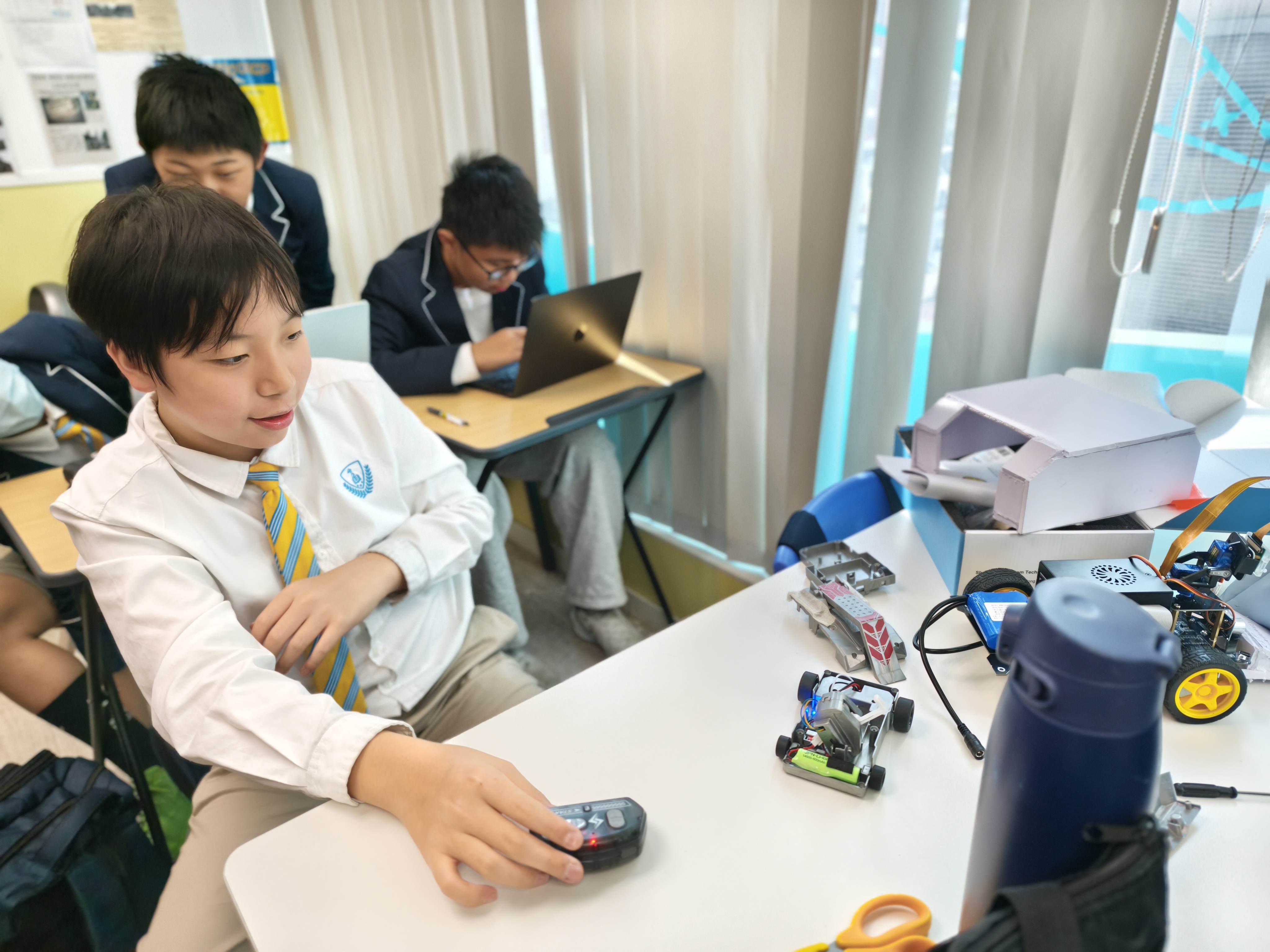
Small class sizes are more than just a setting; they are a tool for enhancing your child's learning experience. Let's explore how they impact focus, independence, and study habits.
Nurturing Focus and Confidence
Imagine a classroom where your child isn't just one in a crowd but a valued participant. Small classes mean your child gets the teacher's full attention. This focused environment helps kids feel seen and heard, boosting their confidence. When teachers know each student well, they can tailor lessons that keep everyone engaged. Your child will feel more at ease to ask questions and share ideas, building the confidence that only comes from being supported every step of the way.
In a typical classroom, distractions can easily pull a student's attention away. However, in a smaller setting, these distractions are minimised. Students learn better time management as they're encouraged to stay on task. Teachers can quickly spot when a student needs help, ensuring no one falls behind. This attentive environment ensures your child remains focused and confident.
Encouraging Independent Learning
Small class sizes encourage students to take charge of their learning. With more opportunities for individual attention, your child can explore subjects in-depth. This means they are not just memorising facts but understanding concepts fully. When kids are encouraged to learn independently, they become more curious and motivated.
Teachers in small classes can personalise their approach. They can introduce projects that cater to individual interests, making learning relevant and exciting. By working on these projects, students naturally develop research and problem-solving skills. This hands-on approach nurtures independent thinkers who are prepared to tackle challenges beyond the classroom.
Building Strong Study Habits
Good study habits are essential for academic success, and small classes lay the groundwork for these habits. Your child will receive guidance on how to organise their time effectively. With more feedback from teachers, they learn how to identify their strengths and areas for improvement.
In smaller settings, students are encouraged to review and reflect on their work. Regular, constructive feedback helps them understand what works and what doesn't. This self-assessment is a crucial part of building strong study habits. When students are equipped with these skills early on, they become lifelong learners, ready to excel in any future endeavour.
Oxbridge School's Approach
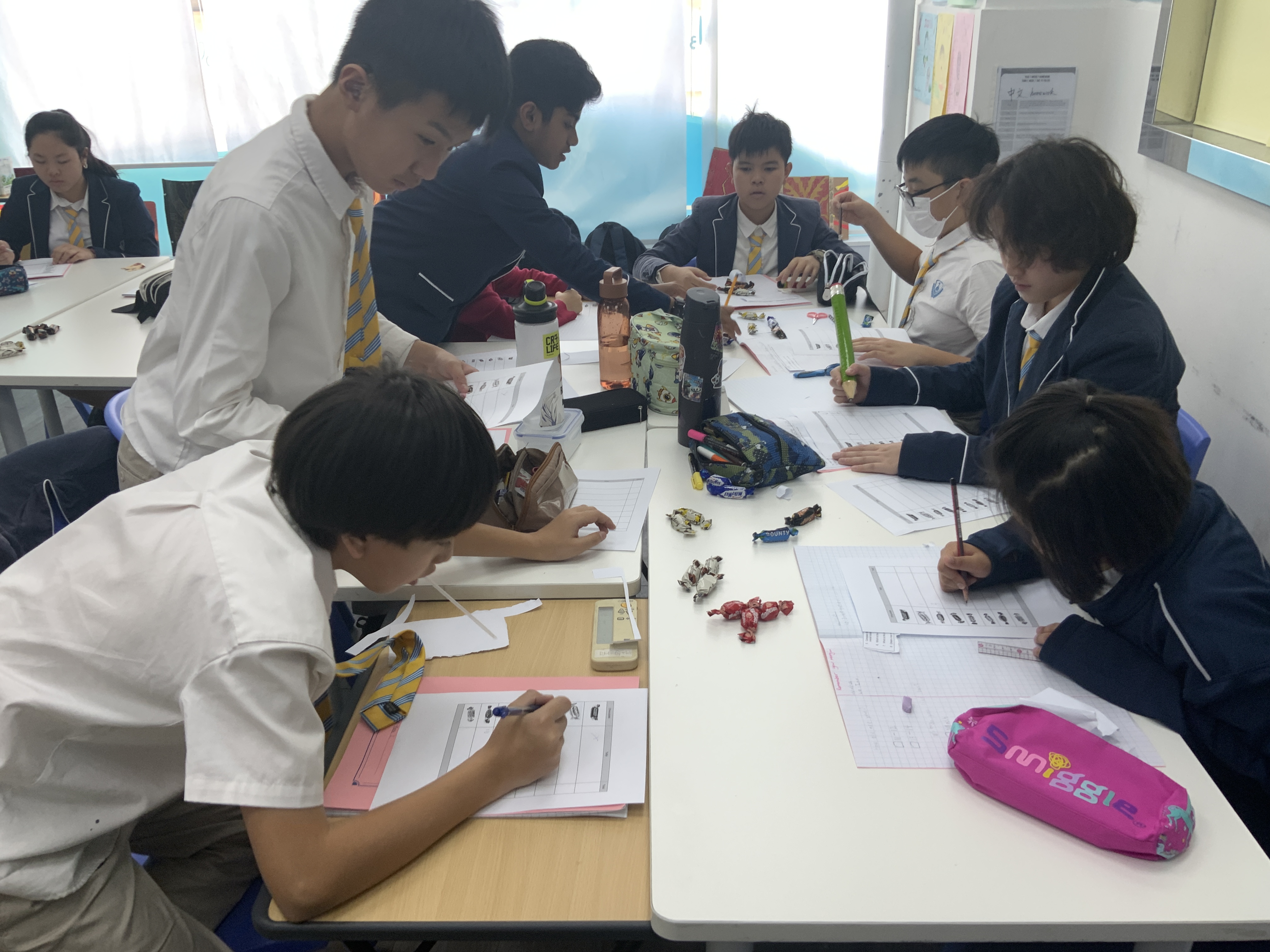
At Oxbridge School, we don't just teach; we empower students to become confident, independent learners. Let's dive into how our unique approach makes learning an enriching experience.
Personalised Learning Environment
Our curriculum is designed around each student's needs. We believe every child is unique, and our classes reflect that. Teachers can cater lessons to match each child's learning style, ensuring no one gets left behind. This personalised learning environment fosters a sense of belonging and boosts student achievement.
With our small class sizes, teachers can focus on individual strengths and areas for growth. This attention helps tailor instruction, making learning more effective. As students see their progress, their motivation and engagement increase. This nurturing approach is a cornerstone of our commitment to your child's success.
Engaging Classroom Interactions
In our classrooms, interaction is key. Students are encouraged to participate actively in discussions and group work. This interactive setting not only makes learning enjoyable but also builds essential communication skills. By engaging with peers and teachers, your child learns how to articulate ideas and listen to others.
Our teachers use diverse strategies to keep lessons interesting. From hands-on activities to technology integration, we ensure students are fully engaged. This dynamic classroom atmosphere fosters creativity and collaboration. As a result, students develop a love for learning that stays with them for life.
Comprehensive Pastoral Care
We understand that education isn't just about academics; it's about nurturing the whole child. Our pastoral care programme ensures students feel supported emotionally and socially. By focusing on well-being, we create a safe and welcoming environment where students can thrive.
Our approach includes regular check-ins with students and involving parents in their child's education. This partnership ensures any issues are addressed promptly. When students feel secure and supported, they are more likely to excel academically and personally.
Invitation to Experience Our School
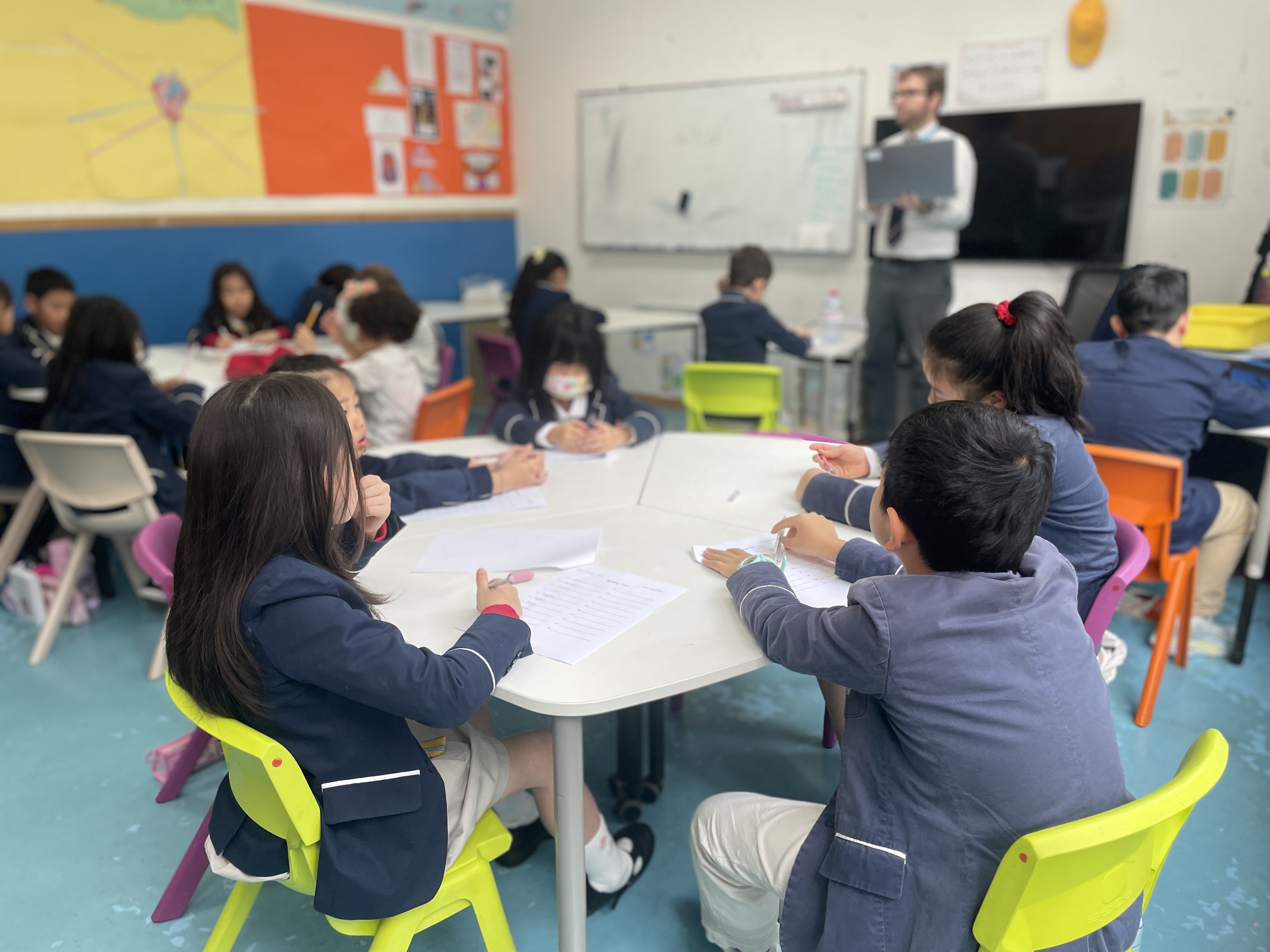
Discover the benefits of small class sizes and personalised learning in action. We invite you to see how Oxbridge School can make a difference in your child's education.
Book a School Visit in Hong Kong
Come and explore our vibrant campus. A school visit is the best way to understand how our approach works. You'll see firsthand the difference a nurturing environment can make. Book a visit today and take the first step towards a brighter future for your child.
Meet Our Dedicated Teachers
Our teachers are passionate about education. During your visit, you'll have the chance to meet the team and learn how they inspire students every day. Our teachers are here to support your child's journey and ensure they reach their full potential.
Arrange a Student Taster Day
Let your child experience a day at Oxbridge School. Our taster days allow students to join classes and meet new friends, giving them a true sense of our school community. Arrange a taster day and see how your child can thrive in a supportive learning environment.
.jpg)
.jpg)
.jpg)
