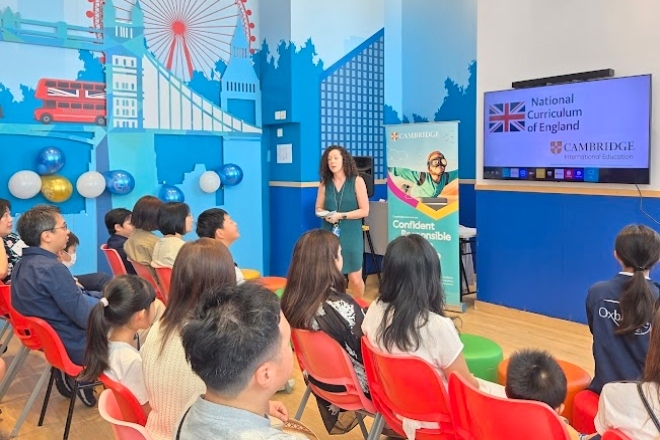
Choosing a British curriculum school in Hong Kong can feel overwhelming with so many options to consider. You want clear criteria that focus on what truly matters: small class sizes, British-trained teachers, and verified progress. This guide offers a straightforward checklist to help you compare schools confidently and shows how Oxbridge School meets these key standards. Ready to explore what genuine British education looks like in action?
Understanding the British Curriculum

To begin your search, it's crucial to understand what the British curriculum offers. This framework ensures a standardized approach to education, providing consistency and quality globally. It is renowned for balancing academic rigour with creative and critical thinking skills.
Key Features of the British Curriculum
The British curriculum is structured to encourage well-rounded development. From early years to A Levels, it emphasises analytical skills and a deep understanding of subjects. Students engage in various subjects that foster intellectual curiosity and personal growth. This system is designed to prepare students for higher education and beyond, offering qualifications recognised worldwide.
In practice, this curriculum encourages students to explore subjects in detail. It promotes enquiry and critical thinking, essential for tackling complex problems. Through structured learning, students build a strong foundation in core subjects, such as maths, science, and languages. They also engage in arts and humanities, nurturing creativity and cultural awareness.
Benefits of a Cambridge International School
Choosing a Cambridge International School in Hong Kong offers unique advantages. This approach combines the prestige of a British education with a global perspective. Students experience a curriculum that is both challenging and internationally recognised, paving the way for future success.
The Cambridge pathway is designed to nurture students' strengths. It encourages them to question, explore, and innovate. This prepares them for competitive universities and diverse career paths. The focus on international standards ensures that students are not only academically prepared but also culturally aware and adaptable.
Evaluating School Options in Hong Kong

When assessing schools in Hong Kong, focus on the elements that will impact your child's success. These include class sizes, teacher qualifications, and personalised learning approaches. A school that excels in these areas will likely provide a supportive and enriching environment.
Importance of Small Class Sizes
Small class sizes can make a significant difference in your child's education. They allow for more personalised attention and tailored instruction. In such settings, teachers can address individual needs and foster a supportive learning environment.
With fewer students, teachers can provide detailed feedback and adjust teaching strategies as needed. This leads to better understanding and mastery of subjects. Moreover, small classes encourage student participation and engagement, promoting a sense of community and collaboration.
The Role of British-Trained Teachers
Having British-trained teachers is a key advantage in international schools. These educators bring expertise and a deep understanding of the curriculum. Their training ensures that they can deliver lessons effectively and inspire students to achieve their best.
British-trained teachers are equipped with the skills to adapt teaching methods to various learning styles. They are familiar with international benchmarks and can guide students to meet these standards. Their experience in diverse educational settings enriches the learning experience, making it more dynamic and effective.
Personalised Learning for Every Child
Personalised learning is essential for maximising student potential. Schools offering tailored education can adapt to your child's unique needs and strengths. This approach fosters a love for learning and encourages students to take ownership of their education.
Through personalised learning, students receive instruction that targets their specific interests and abilities. This method allows for flexibility in teaching and learning, promoting deeper understanding and engagement. It also supports students in reaching their personal best by providing the right challenges and support.
Making the Right Choice for Your Child

Choosing the right school involves looking beyond academics. Consider factors like progress tracking, extracurricular opportunities, and parent involvement. These elements contribute to a well-rounded education and a fulfilling school experience.
How to Benchmark Academic Progress
A crucial aspect of school evaluation is how progress is tracked. Schools that benchmark against international standards provide valuable insights into student achievements. These benchmarks help ensure that students are on track to meet global expectations.
Regular progress updates keep you informed about your child's development. They provide a clear picture of areas that need improvement and those where your child excels. This information is vital for making informed decisions about your child's academic journey.
The Value of Extra-Curricular Activities
Extracurricular activities play a vital role in student development. They offer opportunities for students to explore interests, develop new skills, and build confidence. When choosing a school, consider the range and quality of extracurricular options available.
These activities complement academic learning by fostering teamwork, leadership, and creativity. They provide a balanced education, helping students manage stress and build resilience. Schools with rich extracurricular programmes offer a more holistic approach to education, supporting personal growth alongside academic achievement.
Building a Strong Parent Partnership
A strong partnership between parents and the school is essential for student success. Schools that prioritize communication and collaboration create a supportive environment for students. This partnership ensures that parents are involved in their child's education and can contribute to their growth.
Frequent communication allows parents to stay informed about school events and their child's progress. It fosters a sense of community and shared goals. By working together, parents and schools can create a nurturing environment that supports student well-being and academic success.
Frequently Asked Questions
What are the benefits of small class sizes in schools?
Small class sizes allow for more individual attention from teachers, leading to a supportive learning environment. They promote better understanding and mastery of subjects, as teachers can tailor instruction to meet each student's needs.
How does the Cambridge International School framework differ from other curriculums?
The Cambridge International School framework combines British academic excellence with a global perspective. It emphasises analytical skills, critical thinking, and cultural awareness, preparing students for higher education and diverse career paths.
Why is it important to have British-trained teachers in international schools?
British-trained teachers bring expertise and a deep understanding of the British curriculum. Their training equips them to deliver lessons effectively, adapt to various learning styles, and guide students to meet international benchmarks.
What role do extracurricular activities play in a child's education?
Extracurricular activities complement academic learning by fostering teamwork, leadership, and creativity. They help students explore interests, develop new skills, and build confidence, contributing to a balanced and holistic education.
How can parents and schools work together to support student success?
A strong parent-school partnership involves open communication and collaboration. By staying informed and involved in their child's education, parents can support their growth, contributing to a nurturing and supportive learning environment.