Choosing the right British curriculum school in Hong Kong is more than just ticking boxes. You want to see classrooms where small class sizes mean every child thrives. You’re looking for a clear Cambridge pathway, happy pupils, and personalised learning tailored to your child’s needs. This guide gives you a straightforward school visit checklist so you can spot these qualities with confidence before applying.
Evaluating British Curriculum Schools

When visiting British curriculum schools, it's essential to understand what makes them exceptional. This guide offers insights to help you identify key attributes during your visit.
Classroom Experience Insight
Imagine stepping into a classroom where each child receives focused attention. Small class sizes are not just numbers; they mean your child won't get lost in the crowd. Teachers can personalise support, ensuring each student reaches their potential. Look for spaces that encourage interaction, not just instruction. Classrooms should buzz with activity, where students feel comfortable asking questions and exploring ideas.
You might see children working in groups or engaging in hands-on activities. This environment nurtures curiosity and cooperation. It’s not just about what’s taught but how it’s taught. Observe if teachers are approachable and if they foster a love for learning. Your visit should reflect an environment where your child feels inspired and valued daily.
Assessing Curriculum Clarity
Next, consider the curriculum. A clear Cambridge pathway ensures students are on track for international qualifications. This structure supports a smooth progression from primary to secondary education. Ask about the subjects offered and how they align with future goals like the Cambridge IGCSE and A-Levels in Hong Kong.
Curriculum clarity means your child won't face surprises at crucial stages. Schools should offer a roadmap, helping you understand what each stage entails. During your visit, request to see curriculum guides or talk to educators about their approach. The more transparent the school is about its academic framework, the better you can evaluate its fit for your child.
Teaching Quality Checkpoints
Great teachers make a world of difference. Find out about their qualifications and teaching styles. Schools with experienced faculty often showcase it as a selling point. Ask about the average years of teacher experience. This isn’t just a number; it represents the depth of knowledge and ability to engage students effectively.
See if teachers are specialists in their fields. Specialists bring passion and a deeper understanding of their subjects. During your visit, notice if teachers know their students by name and if they seem genuinely interested in their success. Teaching quality is not only about delivering content but about inspiring and nurturing a love for learning.
Student Wellbeing and Personal Growth
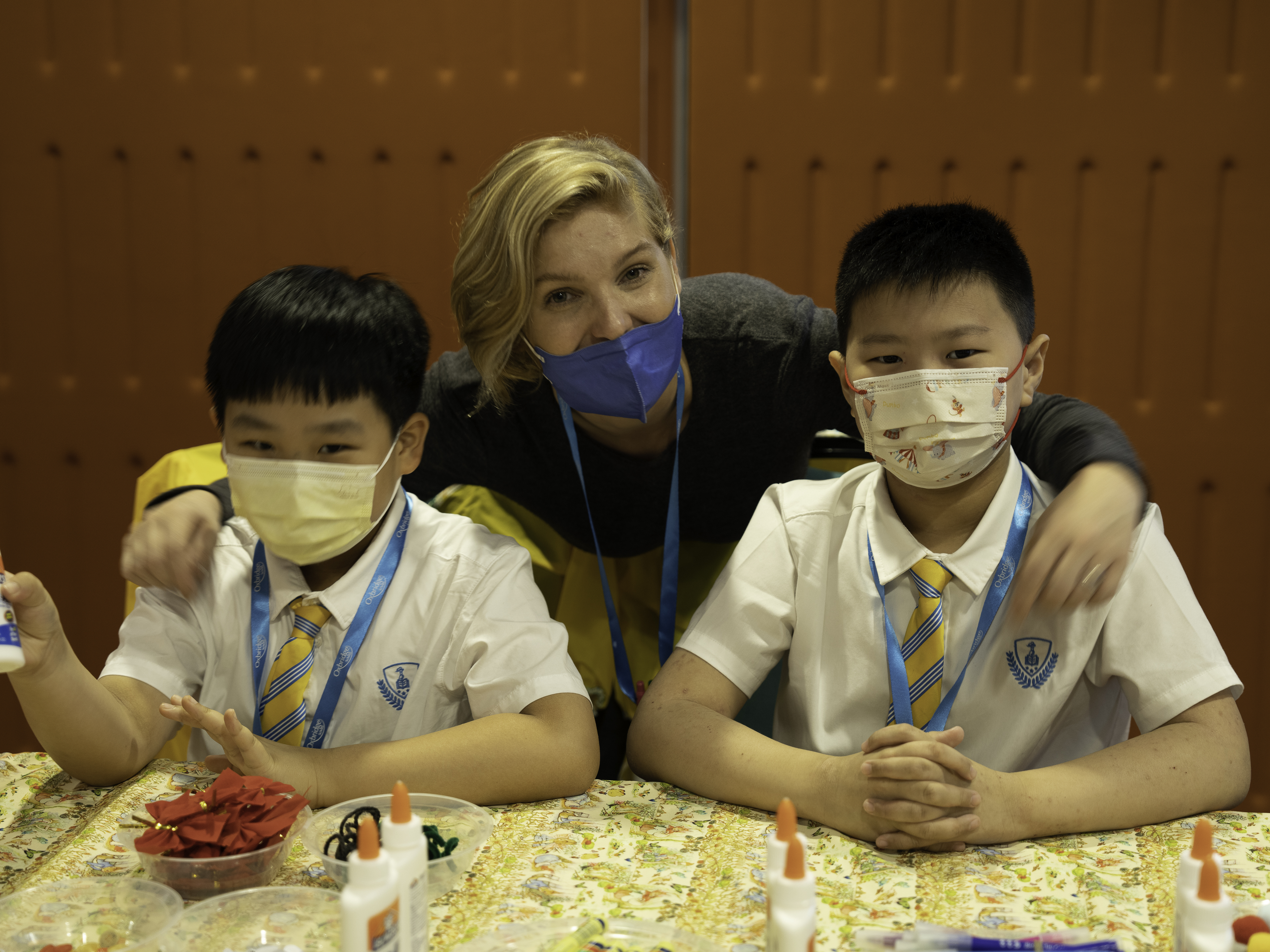
A school is more than academics. It should nurture students' emotional and social development. Here's how you can assess these aspects during your visit.
Pupil Happiness Indicators
Happy students are often more engaged and motivated. Watch how students interact with each other and with teachers. Are they smiling, participating, and engaged? Schools with a happy school culture often have vibrant student councils or clubs, showcasing their commitment to student voices and interests.
Ask about student feedback mechanisms. Schools that listen to their students foster a positive environment. Happy students will often speak proudly about their school, so if possible, chat with them during your visit. Their enthusiasm can be a strong indicator of the school's atmosphere.
Personalised Learning Approaches
Personalised learning ensures each child’s unique needs are met. Ask how the school tailors education to individual strengths and challenges. Schools should offer support for students who excel and those who need extra help, ensuring no one is left behind.
Look for evidence of adaptive learning strategies or programs. Some schools might utilise technology to track student progress and adjust learning plans accordingly. Personalisation is about recognising each student as an individual and crafting their learning journey to fit them.
Pastoral Care in Schools
Pastoral care is crucial in supporting student wellbeing. Ask about the school's approach to mental health and emotional support. Do they have dedicated staff for student support, like counsellors or mentors?
Schools with strong pastoral systems often have programs that teach resilience, empathy, and social skills. This is about preparing students not just academically but as well-rounded individuals. During your visit, inquire about these programs and how they integrate into daily school life. A strong support system can significantly impact your child's overall experience.
Unique Offerings of Oxbridge School

Oxbridge School offers distinctive features that set it apart. Here’s what you should look for during your visit.
Benefits of Small Class Sizes
At Oxbridge, small class sizes mean personalised attention for every student. This approach fosters a close-knit community where teachers understand each child's needs. Your child can flourish academically and socially, benefiting from tailored instruction and a supportive environment.
International Exchanges for Students
International exposure broadens horizons. Oxbridge offers international exchanges that provide students with unique learning opportunities and cultural insights. These experiences prepare students for global citizenship, enhancing their understanding and appreciation of diverse cultures.
Broad Co-curricular Programme
A rich co-curricular programme supports holistic development. Oxbridge encourages students to explore interests beyond academics, from sports to arts. This variety promotes teamwork, leadership, and personal growth, essential skills for future success.
Frequently Asked Questions
What should I ask during a school visit?
During a school visit, inquire about class sizes, teacher qualifications, and curriculum structure. Ask about student support services and co-curricular activities to understand the school’s holistic approach.
How do small class sizes benefit students?
Small class sizes offer personalised attention, allowing teachers to cater to individual student needs. This setup fosters a more engaging and supportive learning environment, encouraging better student outcomes.
Why are international exchanges important?
International exchanges provide students with exposure to different cultures and educational systems. This experience enhances global awareness, adaptability, and appreciation for diversity, preparing students for international opportunities.
What is personalised learning?
Personalised learning tailors education to fit each student's strengths and challenges. It involves adaptive teaching methods that accommodate individual learning styles and paces, helping students achieve their best.
How does pastoral care support student wellbeing?
Pastoral care involves emotional and social support systems within schools. It ensures students have access to guidance, fostering a safe and nurturing environment that supports mental health and personal development.
.jpg)
.jpg)