Choosing the right Cambridge International school in Hong Kong can feel overwhelming. You want a place where your child isn’t just taught but truly supported in a small class setting. This guide offers a clear checklist to help you spot schools with expert teaching and personalised learning, designed to build lasting academic confidence. Keep reading to find out how our approach makes a real difference for your child’s future.
Learn more about Oxbridge School
Selecting a Cambridge International School

Choosing the right school is crucial for your child's success. Let's explore key features that make a Cambridge International school in Hong Kong the ideal choice for long-term academic confidence.
Identifying Key Features
When looking at schools, focus on personalised attention. Small class sizes mean your child can receive individualised support. This setup encourages active participation and boosts confidence. Look for schools where teachers have extensive experience, typically 20+ years, ensuring they understand how to nurture each student's potential.
Ensure the curriculum is challenging yet supportive, fostering inquiry and collaboration. This approach turns learning into discovery, helping your child develop strong problem-solving skills. The school's culture should promote kindness and teamwork, creating a nurturing environment.
Understanding Cambridge Accreditation
A school with Cambridge accreditation guarantees high academic standards. This recognition means the school follows a curriculum respected worldwide, preparing students for further education globally. Cambridge schools offer qualifications like IGCSEs and A Levels, valued by top universities.
Accreditation ensures that teaching methods are up-to-date and effective. It also signifies that the school is committed to continuous improvement and quality education. This commitment is crucial for building trust and ensuring your child receives the best possible education.
Importance of Small Class Sizes
Smaller classes provide the opportunity for personalised learning. Teachers can focus more on individual students, tailoring lessons to fit their needs. This environment fosters academic confidence and allows students to thrive.
In smaller classes, students are more likely to participate actively. They can express ideas freely, ask questions, and engage in meaningful discussions. This interaction helps build communication skills and critical thinking abilities that are essential for future success.
Benefits of the British Curriculum in Hong Kong
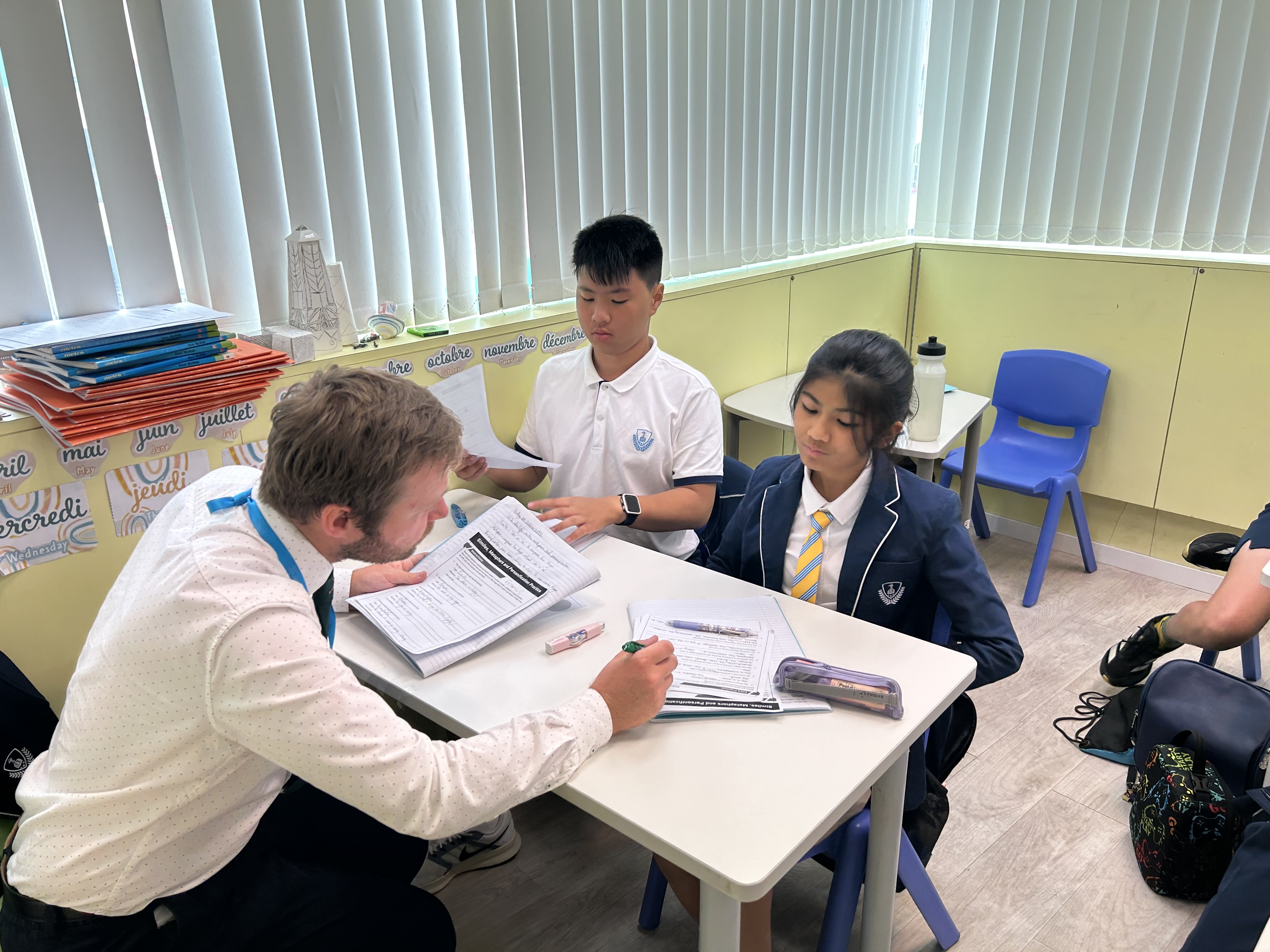
The British curriculum is renowned for its balance of academic rigour and personal development. In the following sections, we discuss how this curriculum supports a well-rounded education in Hong Kong.
Cambridge Pathway and Personalised Learning
The Cambridge Pathway offers a structured progression through the educational stages. This system supports personalised learning, allowing students to explore their interests while building foundational skills.
Students benefit from a curriculum that encourages them to ask questions and solve problems. This inquiry-based approach nurtures a love for learning and prepares them for real-world challenges. The pathway ensures that each student's strengths are recognised and developed, fostering a sense of achievement.
English Integration Pathway for Non-Native Speakers
Non-native English speakers can succeed with the English Integration Pathway. This programme supports language development, helping students become confident English communicators.
Classes are designed to enhance speaking, reading, and writing skills. Students receive tailored resources and regular assessments to track progress. This pathway ensures that language barriers do not hinder academic success, enabling all students to thrive in a British curriculum environment.
University Preparation and Student Exchange Programmes
Preparing for university is a vital step, and schools with robust programmes make this journey smoother. They offer guidance on university applications and career counselling, ensuring students make informed decisions about their futures.
Exchange programmes with schools in the UK and other countries enrich the educational experience. These opportunities expose students to diverse cultures and learning environments, broadening their horizons and enhancing their global readiness.
Planning Your School Visit
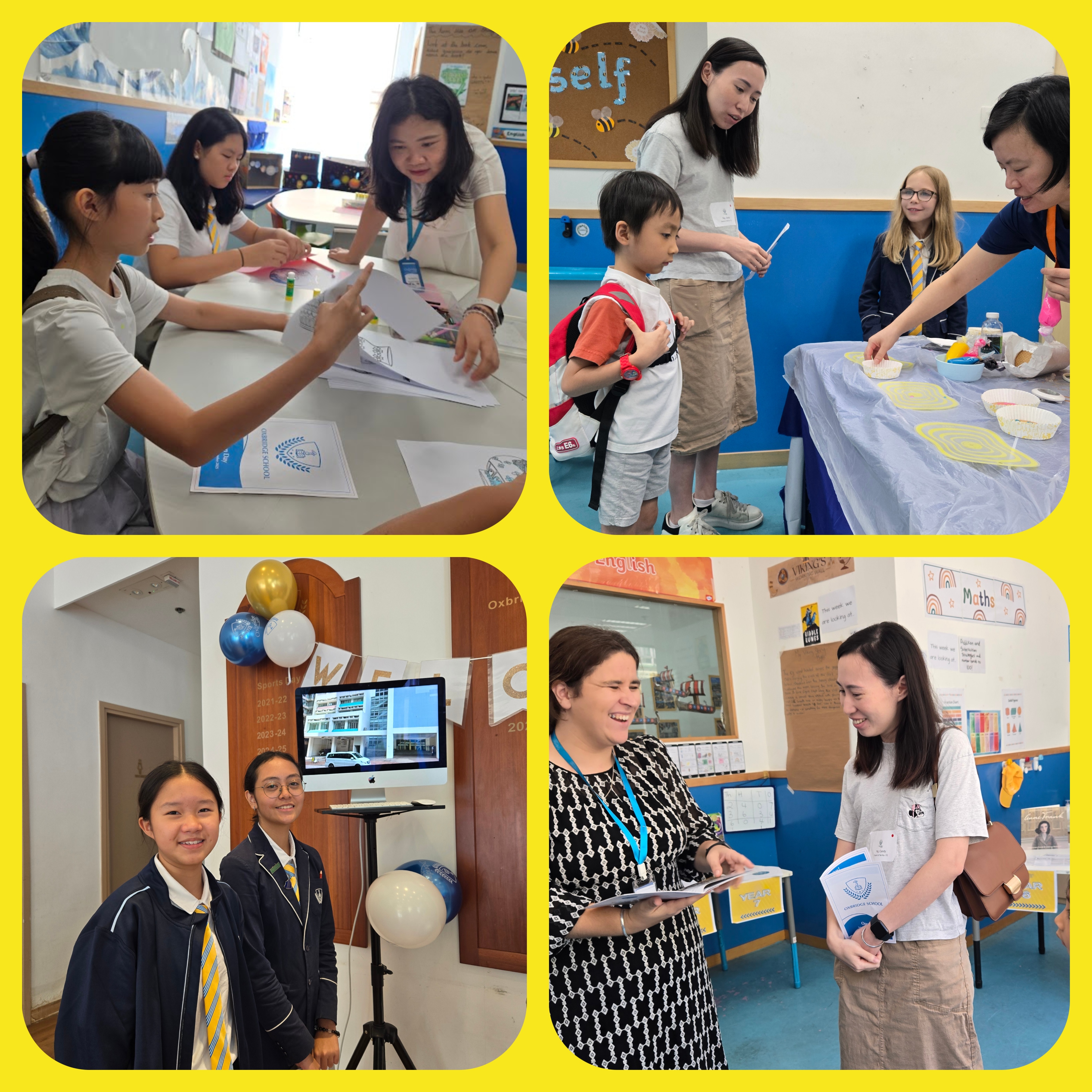
A school visit is an essential step in choosing the right institution. Let's outline how to make the most of this experience and ensure you get a comprehensive understanding of what the school offers.
Booking a Personal Tour
Schedule a personal tour to explore the campus and facilities. Seeing the school firsthand helps you envision your child's daily life there. During the tour, ask questions about the curriculum, class sizes, and extracurricular activities.
Meeting staff and students can provide valuable insights into the school culture. A tour allows you to assess whether the school's values align with your expectations and your child's needs.
Meeting Teachers and Exploring Facilities
Meeting the teachers gives you a sense of their teaching style and expertise. Experienced teachers are key to fostering a supportive learning environment. Discuss how they personalise learning and engage students in the classroom.
Explore facilities like libraries, sports complexes, and art studios. These resources enrich the educational experience, supporting both academic and extracurricular interests. A well-equipped campus indicates the school's commitment to providing a holistic education.
Applying Early for Limited Places
Schools with small class sizes often have limited spaces. Applying early ensures your child has the best chance of securing a place. Stay informed about application deadlines and required documents to avoid missing out.
Early application shows your commitment to the school and allows ample time for any necessary preparations. It also provides peace of mind, knowing that your child's educational future is on track.
Frequently Asked Questions
What is the Cambridge Pathway?
The Cambridge Pathway offers a structured educational journey, providing students with a balanced curriculum that supports personal growth and academic excellence.
Why are small class sizes important?
Small class sizes allow for personalised attention, fostering an environment where students can actively participate and receive tailored support from teachers.
How does the English Integration Pathway help non-native speakers?
The English Integration Pathway provides targeted language support, helping non-native speakers develop strong English communication skills essential for academic success.
What should I ask during a school visit?
Inquire about the curriculum, class sizes, teacher experience, and extracurricular opportunities. Understanding these aspects helps determine if the school aligns with your child's needs.
When should I apply to a Cambridge International school?
Apply early to secure a place, as schools with small class sizes often have limited spaces. Keep track of deadlines to ensure a smooth application process.

.jpg)